How to Hire and Train a Christmas Light Installation Crew
A comprehensive guide for Christmas light contractors on how to hire, train, and manage a professional installation crew to ensure safety, quality, and scalability.
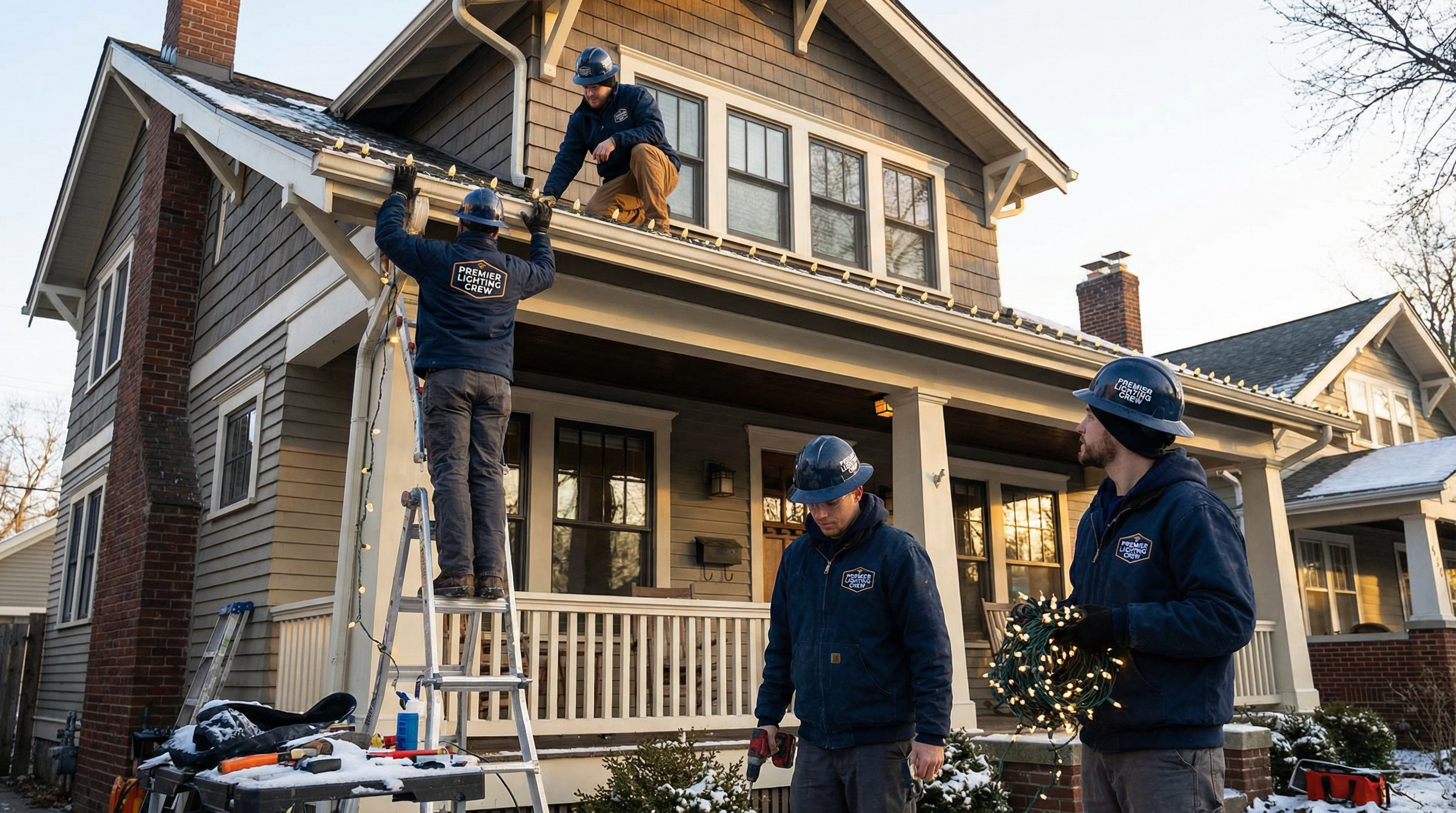
To successfully hire and train a Christmas light installation crew, you must focus on finding reliable individuals with a strong work ethic, providing them with comprehensive safety and installation training based on OSHA standards, and managing them effectively with clear communication and quality control systems. This approach ensures your business can scale, deliver high-quality results, and maintain a safe working environment throughout the demanding holiday season.
As a professional lighting contractor, your ability to grow is not limited by sales, but by your capacity to execute. A well-trained, efficient, and safe crew is the engine of that capacity. This guide provides a detailed roadmap for building that engine, covering everything from recruitment and onboarding to in-field management and quality assurance.
Where Do You Find Good Christmas Light Installers?
Finding reliable seasonal labor is one of the biggest challenges in the industry. The labor pool is tight, and the work is physically demanding. However, with a multi-pronged recruitment strategy, you can attract the right talent. The key is to look for people who are not just seeking a job, but who are capable, reliable, and comfortable with the unique demands of the work.
Leveraging Your Existing Network
Your first and best source is often your personal and professional network. Reach out to friends, family, and current employees. A referral from a trusted source is often more reliable than a cold applicant. Consider implementing a referral bonus for your current staff; a $100-$200 bonus for a referral who completes the season is a small price to pay for a quality team member.
Tapping into Related Trades
Look for individuals who already work in physically demanding, height-related fields. These workers have transferable skills and a pre-existing comfort with the core tasks of the job. Excellent sources include:
- Roofers and Siders: They are experts at navigating roofs and working at heights.
- Window Washers and Gutter Cleaners: These professionals are accustomed to ladder work and seasonal employment cycles.
- Landscapers and Painters: Their seasons often slow down as the holiday lighting season picks up, making them ideal candidates for off-season work.
- Firefighters and First Responders: Many have flexible schedules and are looking for part-time work. They are also highly trained in safety and emergency procedures.
Online Job Boards and Social Media
Cast a wide net using online platforms. When posting, be extremely clear about the job requirements, including the need to work at heights, in cold weather, and for long hours. Use descriptive titles like "Outdoor Christmas Light Installer" or "Seasonal Lighting Technician." Popular platforms include:
- Indeed and ZipRecruiter: Good for reaching a broad audience of active job seekers.
- Craigslist: Can be effective for finding local, short-term labor, but requires careful screening.
- Facebook Groups: Post in local community and job-seeking groups. The visual nature of Facebook allows you to showcase your work and attract people who are interested in the craft.
What Should You Look For in a Lighting Installer?
Screening candidates effectively is crucial. While technical skills can be taught, attitude and work ethic are much harder to instill. Your interview process should be designed to identify individuals with the right intrinsic qualities.
Core Qualities of a Successful Installer
- Absolute Comfort with Heights: This is the most critical requirement. During the interview, be direct: "Are you 100% comfortable working on a 30-foot ladder or walking on a roof?" Any hesitation is a major red flag.
- Strong Work Ethic and Reliability: The season is short and intense. You need people who will show up on time, every day, ready to work hard. Ask about their attendance record in previous jobs.
- Attention to Detail: The difference between a good and a great installation is in the details—straight lines, hidden wires, and perfectly spaced bulbs. Ask candidates to describe a project where they had to be meticulous to achieve a high-quality result.
- Positive Attitude and Teamwork: Crews work in close proximity under pressure. One negative personality can poison the entire team. Look for individuals who are positive, collaborative, and can handle constructive feedback.
- Problem-Solving Skills: No two installations are the same. Installers will inevitably encounter unexpected challenges. Ask them to describe a time they had to solve a problem on the fly.
How Do You Train a Christmas Light Crew for Safety and Quality?
A well-structured training program is not just about compliance; it's about building a culture of safety and excellence. A combination of classroom theory and hands-on practice is essential. Your training should be mandatory and paid.
Foundational Safety Training (OSHA and Electrical)
Safety is paramount. An accident can bankrupt your business and ruin lives. Your safety training must be rigorous and non-negotiable, grounded in OSHA standards.
- Ladder Safety: This is where most accidents happen. Train your crew on the 4-to-1 rule (for every four feet of height, the base of the ladder should be one foot away from the wall), the three-points-of-contact rule, and the importance of using ladder stabilizers.
- Fall Protection: According to OSHA standard 1926.501, fall protection is required for any work above 6 feet. While enforcement on residential sites can be rare, a single incident can be catastrophic. Train your team on the proper use of personal fall arrest systems (harness, lanyard, anchor point), especially for steep roofs or second-story work.
- Electrical Safety: Teach your crew to respect electricity. Cover topics like calculating circuit loads (never exceed 80% of a circuit's capacity), the dangers of male-to-male adapters, and the importance of using GFCI-protected outlets. All temporary wiring must meet NEC Article 590 requirements.
Essential Personal Protective Equipment (PPE)
Providing the right PPE is not optional; it's a requirement. It protects your team and your business. Your standard-issue PPE should include:
| Item | Specification | Purpose |
|---|---|---|
| Gloves | Cut-resistant (ANSI A3), insulated for cold weather | Protects from sharp edges and maintains dexterity in the cold. |
| Footwear | Non-slip, composite-toe boots with ankle support | Prevents slips and protects feet from falling objects. |
| Eyewear | ANSI Z87.1-rated safety glasses with side shields | Protects eyes from debris falling from gutters and trees. |
| Hard Hat | Class E (Electrical) rated | Required on commercial sites; recommended for all jobs with crews. |
Hands-On Installation Training
Theory is not enough. Your crew needs to practice. Set up a mock roof on the ground or use your own shop or home for practice. Teach them:
- Product Familiarity: How to handle different types of lights (C7/C9, minis, icicles), clips, and wiring.
- Installation Techniques: Your specific methods for installing on shingles, gutters, windows, and ridges. For more complex projects, consider our guide on installing permanent lighting.
- The "Why" Behind the "What": Explain why you do things a certain way. For example, explain that wrapping a tree from the top down saves time and frustration.
How Can You Streamline Training and Operations?
Efficiency is the key to profitability in a seasonal business. The more streamlined your process, the more jobs you can complete per day. This is where technology can be a game-changer.
Using IgnitelyAI for Visual Job Planning
One of the most powerful tools you can add to your arsenal is a mockup generator. Platforms like IgnitelyAI allow you to create a stunning, accurate visual of the proposed lighting design directly on a photo of the client's property. This transforms your training and installation process.
Instead of vague instructions, you can provide your crew with a detailed visual blueprint for every job. This eliminates guesswork, reduces errors, and ensures the final product perfectly matches the client's expectations.
It also allows you to plan your material needs with precision, cutting down on waste. By showing your crew exactly what a finished, high-quality job looks like before they even start, you elevate their standard of work. Visit our homepage to see how a professional mockup can revolutionize your workflow.
How Do You Manage Crews for a Successful Season?
Great management during the season is about clear communication, consistent quality control, and keeping morale high.
Establishing Clear Communication Channels
Use a group messaging app (like WhatsApp or a dedicated company app) for daily communication. Hold a brief meeting every morning to review the day's jobs, discuss any challenges, and reinforce safety topics. The crew leader should be in regular contact with you or your operations manager throughout the day.
Implementing Quality Control Measures
Quality control can't be an afterthought. It must be built into your process.
- Pre-Installation Review: The crew leader should review the IgnitelyAI mockup and job notes before starting.
- Mid-Job Check-in: The crew leader should send progress photos to the operations manager.
- Final Walk-through: The crew leader must complete a detailed checklist and take final photos of the completed job before leaving the site. This checklist should be signed by the client whenever possible.
Motivating Your Team During the Rush
The holiday season is a grind. Long hours and cold weather can take a toll on morale. Keep your team motivated by:
- Providing food and drinks: A simple gesture like buying lunch or having hot coffee available goes a long way.
- Offering performance bonuses: Reward crews for efficiency, safety, and positive customer reviews.
- Celebrating wins: Acknowledge a job well done and share positive customer feedback with the entire team.
Frequently Asked Questions
How much should I pay my Christmas light installers?
Pay rates vary by location and experience, but a competitive starting wage in 2026 is typically between $20-$25 per hour for new installers and $25-$35+ for experienced crew leads. Offering performance bonuses for safety, efficiency, and positive reviews can also boost earning potential and motivation.
Do I need to provide insurance for my installation crew?
Absolutely. You must carry both General Liability insurance (at least $1-$2 million coverage) and Workers' Compensation insurance. This is non-negotiable and protects your business from catastrophic financial loss in case of an accident or property damage.
What is the most important quality in a new hire?
While many skills can be taught, a genuine comfort with heights and a strong, reliable work ethic are the most critical qualities. Any hesitation about working on ladders or roofs is a major red flag, as this is a core component of the job.
How do I ensure quality control across multiple crews?
Implement standardized systems. Use a mockup generator like IgnitelyAI for a visual plan, create written Standard Operating Procedures (SOPs) for every task, and require crew leads to complete a detailed photo and checklist-based quality control report at the end of every job.
What are the most critical safety topics to cover in training?
Your training must be centered on OSHA standards. The three most critical topics are ladder safety (the 4-to-1 rule, 3 points of contact), fall protection (when and how to use a personal fall arrest system), and electrical safety (load calculations, GFCI use, and avoiding overloaded circuits).
Where can I find installers for a seasonal business?
Tap into related trades where workers have transferable skills. The best sources are often roofers, window washers, landscapers, painters, and firefighters who are looking for off-season or supplemental income. They are already accustomed to physical labor and working at heights.
Ready to Transform Your Lighting Business?
Join thousands of lighting contractors using IgnitelyAI to create stunning mockups, close more deals, and grow their business.
Start Your Free Trial