Christmas Light Business Insurance: What Coverage Do You Need?
A complete guide to insurance for Christmas light contractors, including general liability, workers' comp, vehicle insurance, and bonding requirements.

As a Christmas light installation contractor, the right business insurance is not just a recommendation; it's a necessity for protecting your business, your employees, and your clients. The most critical coverage for a Christmas light business is general liability insurance, which typically costs between $500 and $1,500 per year for a $1 million policy. This guide will walk you through the essential insurance coverages you need to operate your Christmas light business safely and successfully.
Why Do You Need Christmas Light Business Insurance?
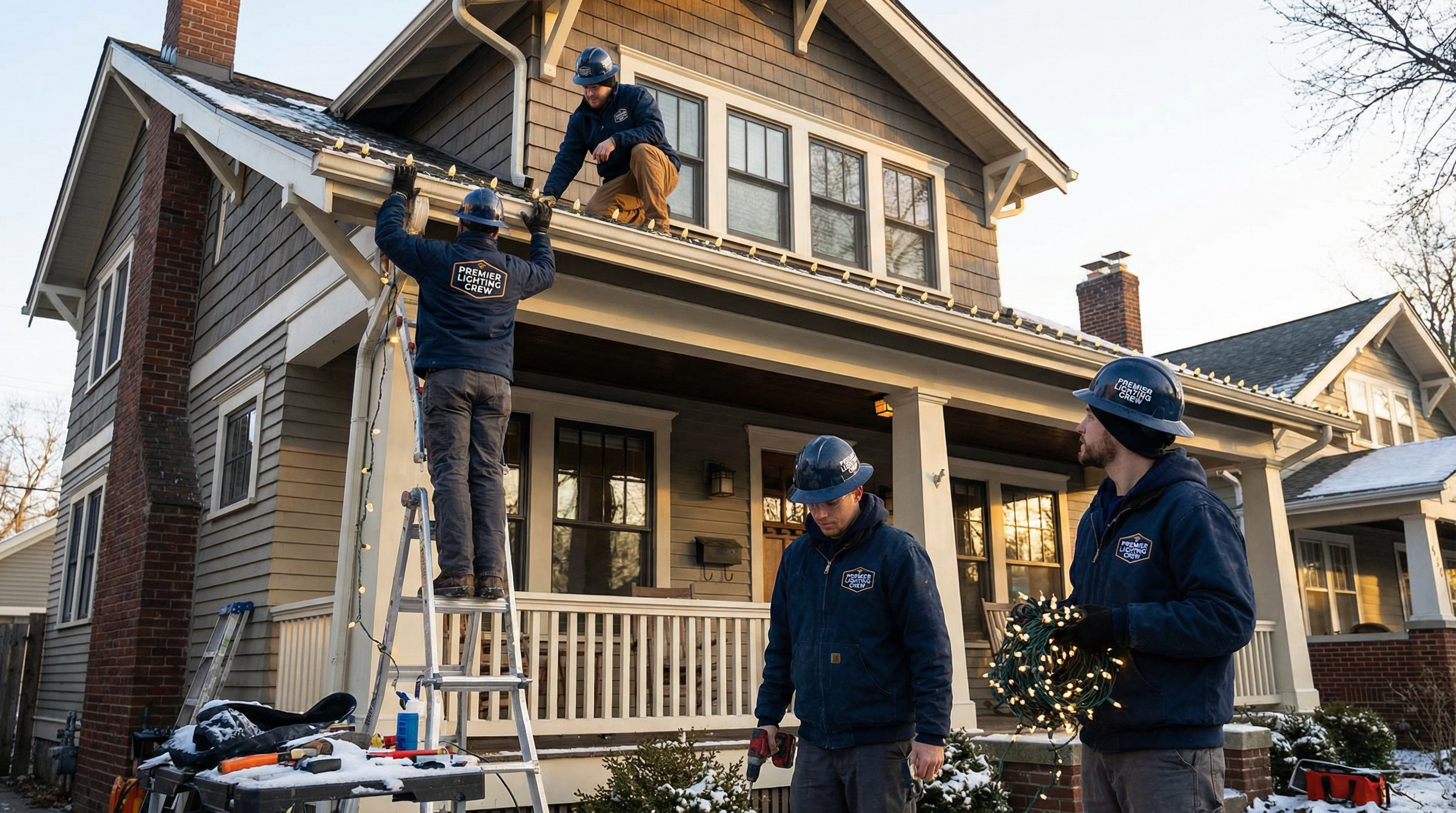
Installing Christmas lights involves significant risks. You're working at heights, often on ladders or roofs, and dealing with electrical systems. Accidents can and do happen, from a ladder slipping and damaging a client's property to an employee getting injured on the job. Without the right insurance, a single incident could lead to a financially devastating lawsuit.
Beyond the financial protection, having the proper insurance and bonding is a significant selling point. It demonstrates your professionalism and gives clients peace of mind, making them more likely to choose you over an uninsured competitor. Many clients, especially commercial ones, will require proof of insurance before they even consider hiring you. For more on this, see our guide to winning commercial contracts.
Key Insurance Coverages for Lighting Contractors
Here's a breakdown of the most important insurance policies for your Christmas light installation business:
| Insurance Type | Estimated Annual Cost | What It Covers |
|---|---|---|
| General Liability | $500 - $1,500 | Third-party bodily injury and property damage. |
| Workers' Compensation | Varies | Medical expenses and lost wages for employee injuries. |
| Commercial Auto | $1,500 - $3,000 per vehicle | Accidents involving business vehicles. |
| Inland Marine | $250 - $750 | Theft or damage to tools and equipment in transit or at a job site. |
General Liability Insurance
General liability insurance is the cornerstone of your insurance portfolio. It protects your business from third-party claims of bodily injury or property damage. For example, if a ladder falls and breaks a client's window, or a passerby trips over your extension cord and gets hurt, your general liability policy would cover the costs of damages and legal fees.
Most general liability policies for Christmas light installers have a per-occurrence limit of $1 million and a general aggregate limit of $2 million. This means the policy will pay up to $1 million for a single claim and up to $2 million for all claims during the policy period.
Workers' Compensation Insurance
If you have employees, workers' compensation insurance is legally required in most states. This policy covers medical expenses and lost wages for employees who are injured or become ill on the job. Given the risks associated with hanging Christmas lights, such as falls from ladders or electrical shocks, this coverage is crucial.
Even if you're a solo operator, you might consider a workers' comp policy for yourself, as it can provide benefits that your personal health insurance may not cover for work-related injuries.
Commercial Auto Insurance
If you use a vehicle for your business, whether it's a personal truck or a company van, you need commercial auto insurance. A personal auto policy will likely not cover accidents that happen while you're driving for business purposes. Commercial auto insurance provides liability and physical damage coverage for your work vehicles, protecting you in case of an accident.
Inland Marine Insurance
Inland marine insurance, despite its name, has nothing to do with the ocean. This policy covers your tools and equipment while they are in transit or at a job site. If your expensive ladders, light installation tools, or other equipment are stolen from your truck or a client's property, inland marine insurance will help you replace them.
What About Bonding?
Being bonded is another way to build trust with your clients. A surety bond is a guarantee that you will fulfill your contractual obligations. If you fail to complete a job as promised, the client can file a claim against the bond to recover their losses. While not technically insurance, being bonded is often a requirement for commercial contracts and can be a strong marketing tool.
Finding the Right Insurance Provider
When shopping for insurance, it's essential to work with an agent who understands the unique risks of the Christmas light installation industry. They can help you find the right policies with the appropriate coverage limits for your specific business needs. Be sure to get quotes from multiple providers to compare costs and coverage options.
At IgnitelyAI, we understand the challenges of running a Christmas light business. Our mockup generator can help you create stunning proposals that will impress your clients and win you more jobs. With our tool, you can easily create professional designs, which can help you present your business as a professional and trustworthy company, making it easier to secure the best insurance rates.
People Also Ask
- How much does it cost to insure a Christmas light business?
- What kind of insurance do I need for a lighting business?
- Do you need a license to install Christmas lights?
- How do I start a successful Christmas light business? Check out our guide to starting your business.
Frequently Asked Questions
Is insurance for Christmas light installation expensive?
The cost of insurance varies, but a basic general liability policy can start at around $500 per year. Considering the protection it offers, it's a small price to pay for peace of mind.
What happens if I don't have insurance?
Operating without insurance is a significant risk. If an accident happens, you could be held personally liable for damages, which could lead to financial ruin. Additionally, many clients will not hire a contractor who is not insured.
Do I need insurance if I'm just a one-person business?
Yes. Even as a solo operator, you need general liability insurance to protect yourself from claims of property damage or injury to others. You should also consider a workers' compensation policy for yourself.
What's the difference between being insured and bonded?
Insurance protects your business from financial losses due to accidents or liability claims. A bond, on the other hand, protects your clients by guaranteeing that you will complete the work you were hired to do.
How much general liability coverage do I need?
Most experts recommend a minimum of $1 million per occurrence and $2 million in aggregate. However, the right amount of coverage for your business will depend on the size and scope of your operations.
Can I get a temporary insurance policy for the holiday season?
Some insurance companies offer short-term or seasonal policies that are perfect for Christmas light installers. These policies provide coverage for a specific period, such as from October to January.
Where can I find an insurance agent who specializes in my industry?
Look for insurance agents who have experience working with contractors and trade businesses. You can also ask for recommendations from other Christmas light installers or industry associations.
Ready to Transform Your Lighting Business?
Join thousands of lighting contractors using IgnitelyAI to create stunning mockups, close more deals, and grow their business.
Start Your Free Trial