How to Start a Permanent Lighting Business in 2026
Your complete guide to starting a permanent lighting business. Learn about choosing products, pricing, marketing, and installation to build a profitable business in 2026.
Starting a permanent lighting business in 2026 is a highly profitable venture that can be launched with an initial investment of around $15,000 to $35,000. This business involves installing durable, app-controlled LED lighting systems on homes and businesses, with contractors charging between $25 and $45 per linear foot for installation.
The Booming Market for Permanent Lighting
The demand for permanent holiday and architectural lighting has exploded in recent years. Homeowners are tired of the annual hassle of putting up and taking down seasonal lights. They want a permanent, elegant solution that offers year-round versatility for holidays, game days, and beautiful architectural accents. This shift in consumer preference has created a massive opportunity for contractors to build a thriving business in a rapidly growing market.
For existing contractors in fields like roofing, landscaping, or seasonal Christmas light installation, adding permanent lighting is a natural and lucrative extension of your services. The skills are transferable, but the profit margins are significantly higher. A typical residential project can range from $3,000 to $15,000, and with the right team and efficiency, you can complete a project in a single day.
What You Need to Get Started
Launching a permanent lighting business doesn’t require a massive upfront investment or a franchise agreement. With the right tools, a quality product, and a bit of hustle, you can be on your way to profitability.
Essential Tools and Equipment
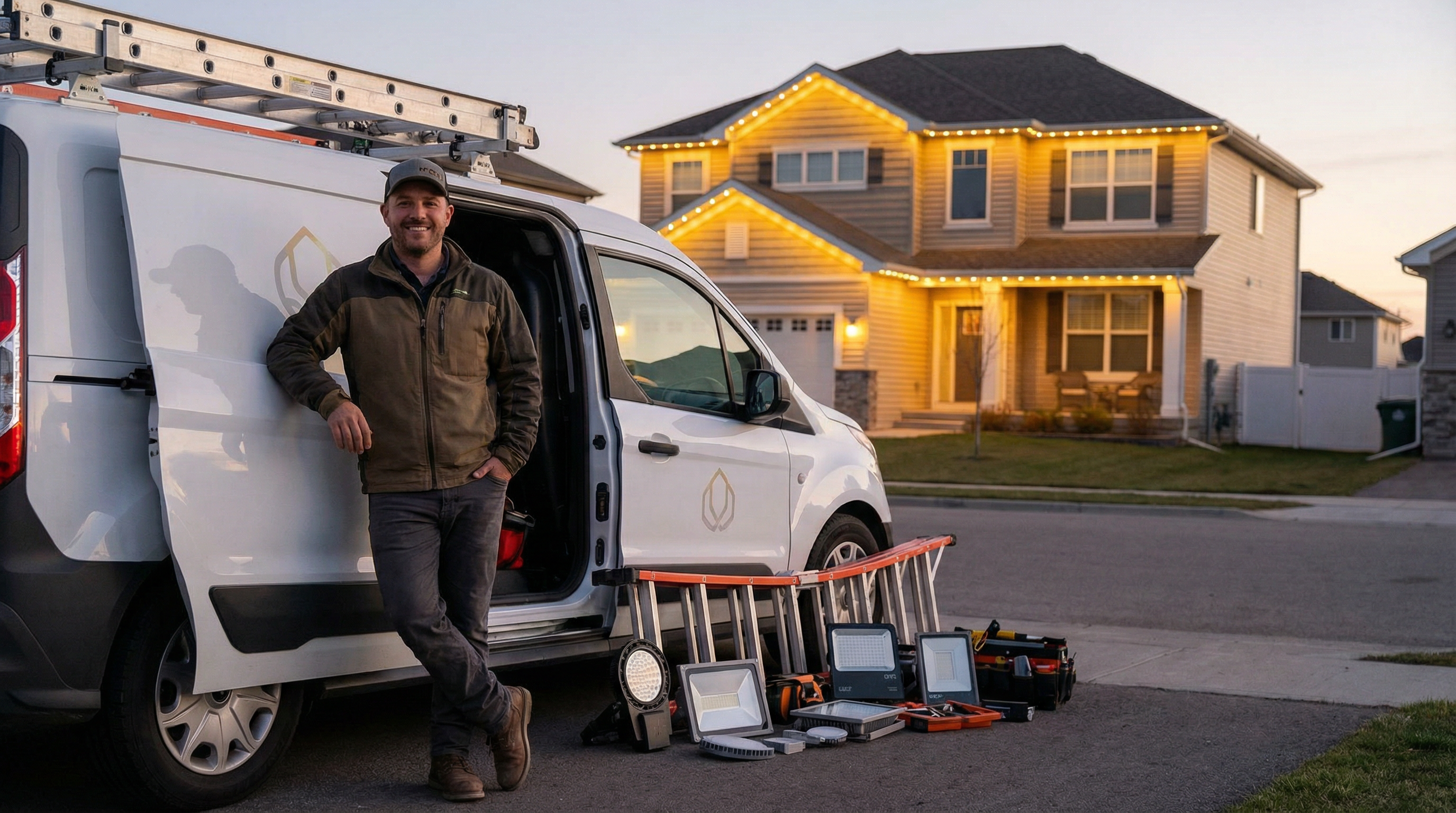
You likely already own many of the tools required for permanent lighting installation. Here’s a basic list of what you’ll need:
- Ladders: A sturdy set of extension ladders is crucial for reaching rooflines safely.
- Drill or Driver: For fastening the lighting tracks to the home.
- Tape Measure: For accurate measurements and a clean, professional look.
- Wire Strippers: For preparing the low-voltage wiring.
- Multimeter: An essential tool for troubleshooting any electrical issues.
- Safety Gear: Including a safety harness, is non-negotiable for ensuring the well-being of your crew.
Choosing the Right Permanent Lighting System
Your choice of lighting system is the most critical decision you’ll make. The quality of your product directly impacts your reputation, the number of callbacks you’ll have, and your long-term profitability. You want a system that is durable, easy to install, and backed by a solid warranty.
Here’s a comparison of some of the leading brands in the industry:
| Brand | Key Features | Best For |
|---|---|---|
| GEMSTONE | RGBW LEDs for a true warm white, individually addressable lights, cloud-based app with custom animations. | Contractors who want a premium, feature-rich product with a strong warranty. |
| Jellyfish | Music sync capabilities, easy-to-use app, good brand recognition. | Installers focusing on the residential market who want a well-known and reliable system. |
| EverLights | Known for its DIY-friendly approach, but also offers pro-grade systems. Very discreet and nearly invisible when not in use. | Contractors who want to offer a more budget-friendly option or who serve a DIY-inclined clientele. |
When selecting a supplier, look for one that offers more than just a product. A true partner will provide comprehensive training, marketing support, and reliable US-based customer service. Don’t make the mistake of choosing a low-quality system to save a few dollars upfront; it will cost you more in the long run.
Business and Legal Setup
To protect yourself and your personal assets, it’s essential to set up your business correctly from the start.
- Form an LLC: A Limited Liability Company (LLC) is the most common business structure for contractors. It provides liability protection, separating your business and personal finances.
- Get Insured: General liability insurance is a must. It protects you from accidents and property damage. You’ll also need workers’ compensation insurance if you have employees and a commercial auto policy for your work vehicles.
- Check Licensing Requirements: The licensing requirements for low-voltage lighting installation vary by state and even by municipality. Always check with your local authorities to ensure you have the necessary licenses to operate legally.
How to Price Your Services
Pricing is a critical factor in the success of your business. Underpricing will leave you struggling to cover your costs, while overpricing can scare away potential customers. The industry standard for professionally installed permanent lighting is between $25 and $45 per linear foot.
Your pricing should be based on a clear understanding of your costs, including:
- Materials: The cost of the lighting system, tracks, wiring, and all other components.
- Labor: The time it takes for you and your crew to complete the installation.
- Overhead: Business expenses like insurance, marketing, vehicle maintenance, and software.
- Profit Margin: Your desired profit margin, which should be between 40% and 60%.
Always provide a detailed, professional quote to your clients. And, most importantly, always collect a 50% deposit before ordering any materials. This protects your cash flow and ensures the customer is serious about the project.
Marketing Your New Business
Once you’re set up and ready to go, it’s time to find customers. Because permanent lighting is a premium service, you’ll want to target middle to upper-income neighborhoods.
Here are some of the most effective marketing strategies for a permanent lighting business:
- High-Quality Website: Your website is your digital storefront. It should be professional, easy to navigate, and optimized for local search. Check out our post on the essential elements of a contractor website for more tips.
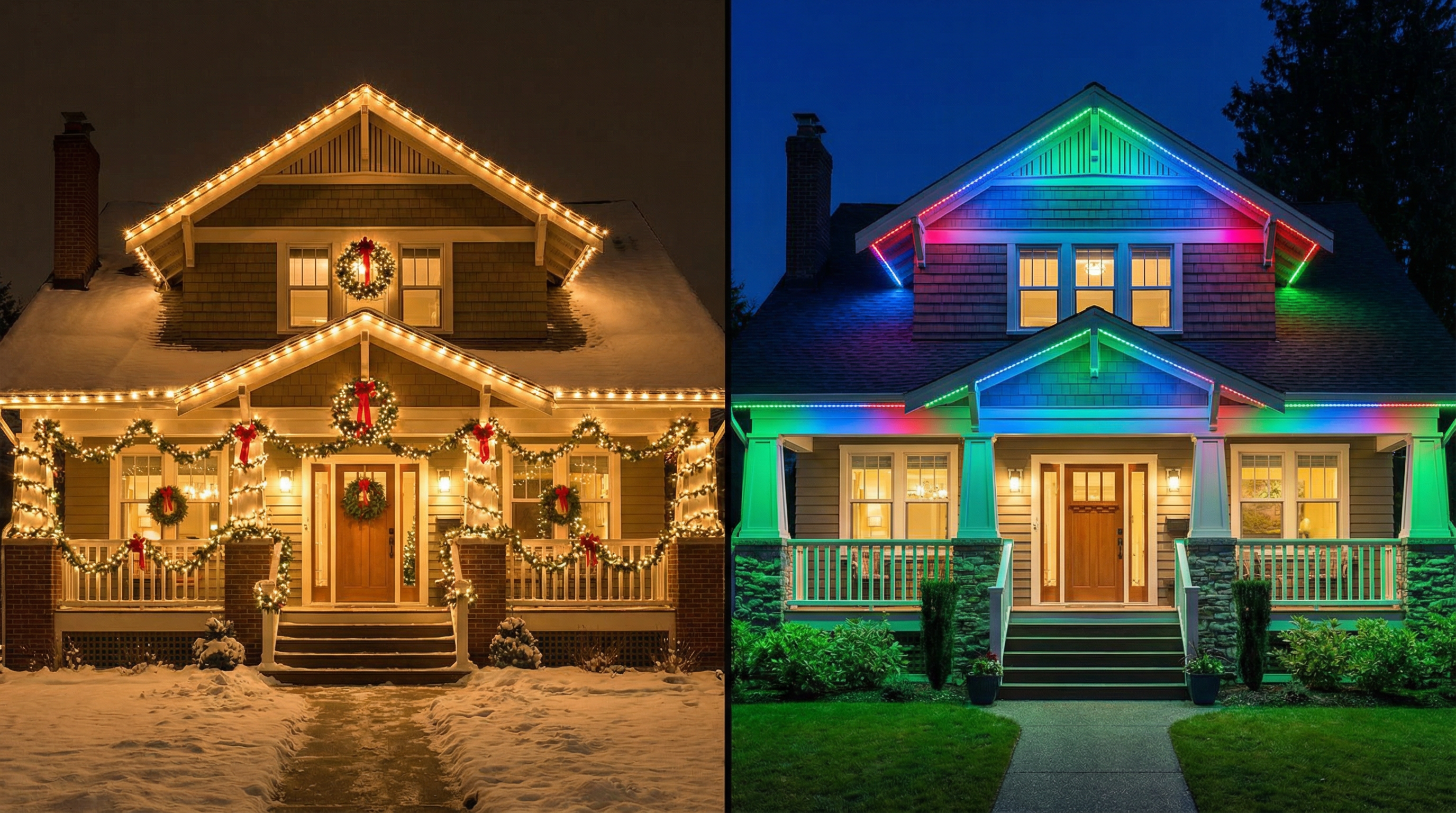
- Stunning Visuals: Before-and-after photos and videos are your most powerful marketing tools. The transformation from invisible track lighting during the day to a beautifully lit home at night is what sells the product. Post these visuals on your website and social media channels.
- Social Media Marketing: Facebook and Instagram are excellent platforms for reaching homeowners in your area. Use geo-targeted ads to get your content in front of the right audience.
- IgnitelyAI Mockup Generator: One of the biggest challenges in selling permanent lighting is helping homeowners visualize the final result. That’s where IgnitelyAI comes in. Our powerful mockup generator allows you to upload a photo of a client’s home and create a stunning, realistic rendering of what their new lighting will look like. It’s a game-changer for closing deals. You can learn more about it on our main product page.
- Yard Signs: Don’t underestimate the power of a simple yard sign. When you’re working on a project, a well-placed yard sign can generate leads from curious neighbors.
- Local SEO: Optimize your website and Google Business Profile for local search terms like “permanent lighting installer near me.” For a deep dive, read our complete guide to local SEO for contractors.
The Installation Process
A smooth and efficient installation process is key to profitability. With a trained two-person crew, you can typically complete a 150-250 foot installation in a single day. The process generally involves:
- Layout and Measurement: Carefully planning the placement of the tracks for a clean, professional look.
- Track Installation: Securely fastening the aluminum tracks to the soffit or fascia.
- Light Installation: Snapping the individual lights into the track.
- Wiring: Running the low-voltage wiring and connecting it to the controller.
- Testing and Cleanup: Thoroughly testing the system and leaving the job site cleaner than you found it.
Frequently Asked Questions
Is a permanent lighting business profitable?
Yes, with average project sizes between $3,000 and $15,000 and profit margins of 40-60%, it can be a very profitable business.
How much does it cost to start a permanent lighting business?
You can typically get started for between $15,000 and $35,000, which covers tools, initial inventory, insurance, and marketing.
Do I need to be an electrician to install permanent lights?
In most states, a low-voltage license is all that’s required, not a full electrician’s license. However, you should always check your local regulations.
What are the biggest mistakes to avoid when starting out?
The most common mistakes are underpricing, using low-quality products, not taking a deposit, and poor installation quality.
How do I get my first customers for my permanent lighting business?
Start with your personal network. Offer a discount to a friend or family member in exchange for photos and a testimonial. You can also partner with roofers, painters, and other contractors who can refer business to you.
What is the best permanent lighting brand to install?
The ‘best’ brand depends on your target market and business model. GEMSTONE, Jellyfish, and EverLights are all reputable brands with different strengths. We recommend researching each to see which is the best fit for you.
Can I start a permanent lighting business part-time?
Absolutely. Many contractors start by installing permanent lighting as a side hustle and then transition to full-time as the business grows.
Ready to Transform Your Lighting Business?
Join thousands of lighting contractors using IgnitelyAI to create stunning mockups, close more deals, and grow their business.
Start Your Free Trial